
Smart Office Fit Outs: Incorporating IoT and Automated Lighting Systems sets the stage for this enthralling narrative, offering readers a glimpse into a story that is rich in detail with a casual formal language style and brimming with originality from the outset.
The discussion delves into the essence of Smart Office Fit Outs, the revolutionary impact of IoT in office spaces, and the significance of automated lighting systems in creating efficient work environments.
Introduction to Smart Office Fit Outs with IoT and Automated Lighting Systems
Smart office fit outs refer to the integration of intelligent technologies and systems into the design and layout of office spaces to enhance efficiency, productivity, and comfort for employees. This can include IoT devices, automated lighting systems, sensors, and other connected solutions.
IoT in Office Spaces
The Internet of Things (IoT) in office spaces involves the use of interconnected devices and sensors to collect and exchange data, enabling automation, monitoring, and control of various systems. In smart office fit outs, IoT technology can be used to optimize energy usage, improve security, and streamline operations.
Benefits of Automated Lighting Systems
Automated lighting systems offer numerous benefits in smart office fit outs, such as energy efficiency, cost savings, and convenience. These systems can adjust lighting levels based on occupancy, natural light, and time of day, creating a more comfortable and productive work environment while reducing energy consumption.
Importance of IoT in Smart Office Fit Outs
IoT technology plays a crucial role in enhancing productivity and efficiency in smart office fit outs. By connecting various devices and systems to the internet, IoT enables seamless communication and automation, transforming traditional workspaces into intelligent environments.Enhanced Productivity
- IoT devices such as smart sensors and beacons can collect data on office usage patterns, helping to optimize space utilization and layout for improved workflow.
- Integration of IoT-enabled wearables and gadgets can enable employees to track their productivity levels, monitor health metrics, and adjust work habits accordingly.
- Automated scheduling and task management systems powered by IoT technology can streamline workflows, reducing manual errors and saving time for employees.
Energy Efficiency Benefits
- Smart lighting systems utilizing IoT can adjust brightness levels based on natural light availability and occupancy, leading to significant energy savings.
- IoT-enabled HVAC systems can regulate temperature settings based on occupancy patterns and user preferences, optimizing energy consumption without compromising comfort.
- Energy monitoring devices connected to IoT networks can provide real-time data on power usage, enabling proactive measures to reduce energy wastage and minimize costs.
Automated Lighting Systems in Smart Offices
Automated lighting systems play a crucial role in enhancing the efficiency and functionality of smart offices. These systems offer numerous advantages that contribute to creating a more comfortable and productive work environment for employees.
Advantages of Using Automated Lighting Systems
- Energy Efficiency: Automated lighting systems can adjust the intensity of light based on the natural light available in the office space, helping to reduce energy consumption.
- Cost Savings: By optimizing the use of lighting based on occupancy and daylight levels, automated systems can lead to significant cost savings on energy bills.
- Personalized Settings: Employees can customize their lighting preferences, creating a more personalized and comfortable workspace.
- Enhanced Productivity: Properly designed lighting can positively impact employee well-being, reduce eye strain, and boost productivity levels.
Impact of Lighting on Employee Well-being and Productivity
Lighting has a direct impact on employee well-being and productivity in the workplace. Poor lighting conditions can lead to eye strain, headaches, and fatigue, ultimately affecting work performance. By incorporating automated lighting systems that provide the right amount of light at the right time, employers can create a healthier and more productive environment for their staff
Types of Automated Lighting Systems Available for Office Fit Outs
| System Type | Description |
|---|---|
| Occupancy Sensors | Automatically turn lights on/off based on movement detection, saving energy when spaces are unoccupied. |
| Daylight Harvesting | Adjusts artificial lighting levels based on the amount of natural light available, optimizing energy usage. |
| Task Tuning | Allows employees to adjust lighting levels at their workstations to suit their specific tasks and preferences. |
Integration of IoT with Automated Lighting Systems
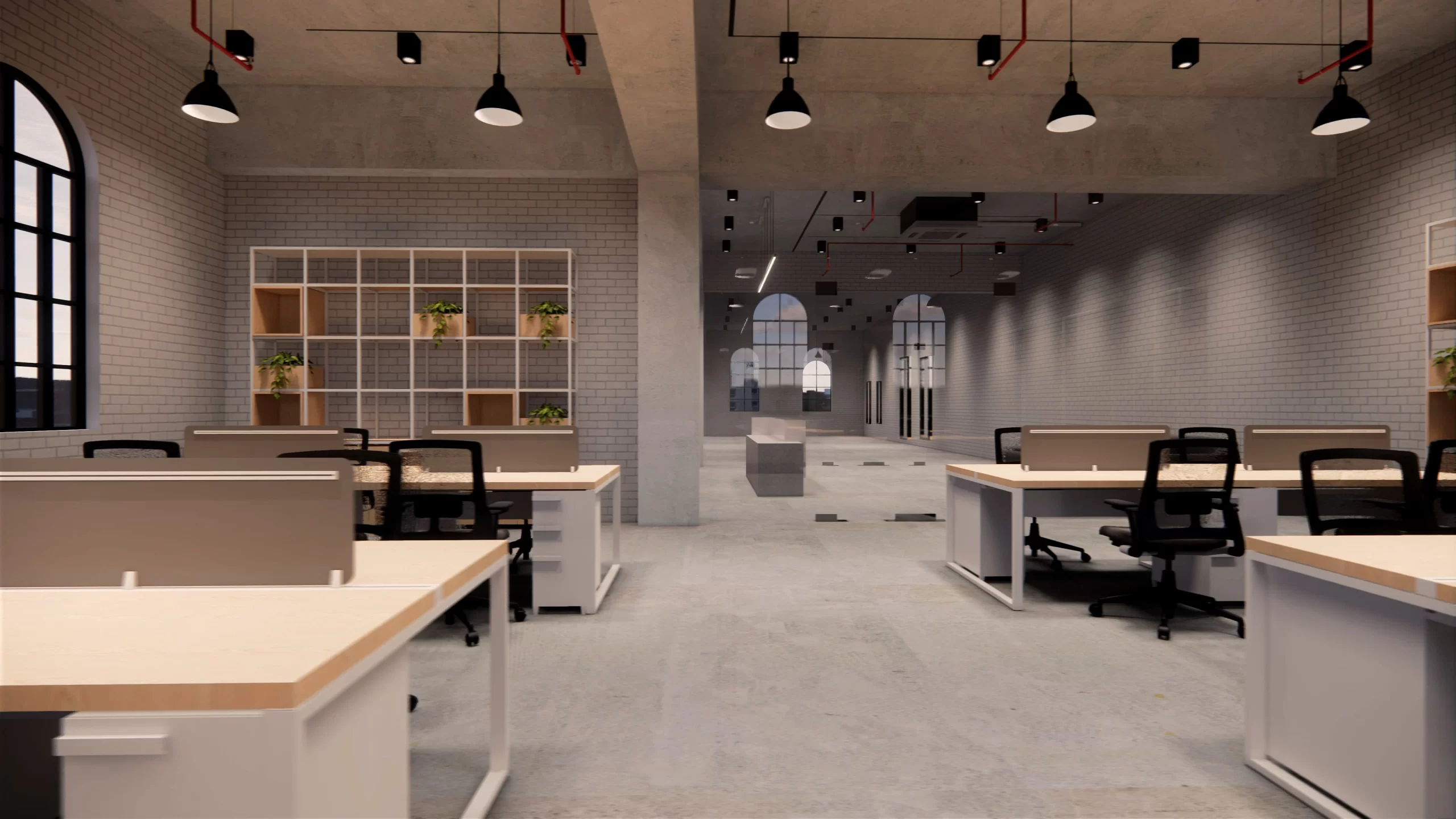
Integrating IoT technology with automated lighting systems in smart office fit outs has revolutionized the way we manage and optimize lighting conditions in the workplace. By combining IoT devices with automated lighting systems, offices can achieve greater energy efficiency, comfort, and productivity.
Role of Sensors in Optimizing Lighting Conditions
IoT-enabled sensors play a crucial role in optimizing lighting conditions in smart offices. These sensors can detect occupancy levels, natural light levels, and user preferences to adjust lighting accordingly. By collecting real-time data, sensors ensure that lighting is tailored to the specific needs of employees, leading to a more comfortable and productive work environment.
Examples of Successful Implementations
- One successful implementation of IoT-enabled lighting systems in office fit outs is the use of motion sensors to control lighting in meeting rooms. When the room is unoccupied, the lights automatically dim or turn off, reducing energy consumption.
- Another example is the integration of IoT devices with lighting systems to create personalized lighting settings for individual employees. By connecting to smartphones or wearables, employees can control the lighting in their workspace based on their preferences, leading to increased comfort and satisfaction.
- In some smart offices, IoT sensors are used to monitor natural light levels and adjust artificial lighting to complement daylight. This not only reduces energy usage but also creates a more natural and pleasant lighting environment for employees.
Conclusion
In conclusion, the integration of IoT and automated lighting systems in smart offices paves the way for enhanced productivity, energy efficiency, and employee well-being. Embracing these technologies signifies a step towards a more intelligent and sustainable work environment.
Expert Answers
What are the key benefits of integrating IoT in office fit outs?
Integrating IoT in office fit outs enables advanced automation, data-driven decision-making, and enhanced connectivity among devices for a more efficient and productive work environment.
How do automated lighting systems contribute to employee well-being?
Automated lighting systems can mimic natural lighting patterns, regulate circadian rhythms, and create a comfortable work environment that positively impacts employee mood, productivity, and health.
What role do sensors play in optimizing lighting conditions in smart offices?
Sensors in automated lighting systems detect occupancy, natural light levels, and user preferences to adjust lighting accordingly, ensuring optimal illumination for different tasks and saving energy.