
Delving into Private Wealth Management Near Me: What to Expect During the Onboarding Process, this introduction immerses readers in a unique and compelling narrative, with casual formal language style that is both engaging and thought-provoking from the very first sentence.
Exploring the world of private wealth management can be a fascinating journey, especially when understanding the crucial steps involved in the onboarding process. From initial client meetings to setting financial goals, each step plays a vital role in shaping a client's financial future. Let's dive deeper into what to expect during this important phase.
Introduction to Private Wealth Management
Private wealth management involves the management of an individual's financial assets and investments to help them grow and achieve their financial goals. This personalized approach to financial planning takes into account the unique needs and circumstances of each client.Role of a Wealth Manager
- A wealth manager oversees a client's financial portfolio, including investments, retirement planning, estate planning, and tax strategies.
- They work closely with clients to understand their financial goals and develop a customized financial plan to help them achieve those goals.
- Wealth managers monitor and adjust the client's portfolio regularly to ensure it remains aligned with their financial objectives and risk tolerance.
- They provide ongoing financial advice and guidance to help clients navigate complex financial decisions and market fluctuations.
Importance of Onboarding Process
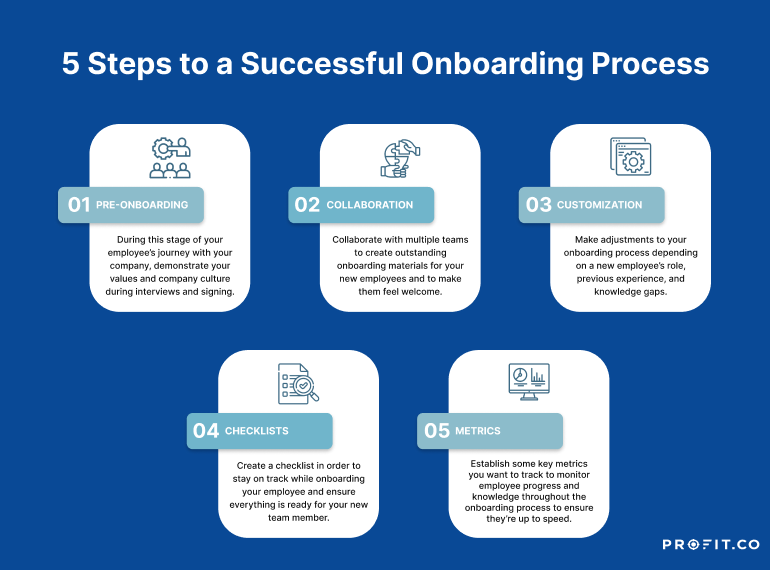
When it comes to private wealth management, the onboarding process plays a crucial role in establishing a strong foundation for the client-advisor relationship. It is the initial step where the advisor gathers essential information about the client's financial goals, risk tolerance, and overall financial situation.
Benefits of a Thorough Onboarding Process for Clients
- Personalized Financial Planning: Through a comprehensive onboarding process, advisors can tailor financial plans that are specifically designed to meet the individual needs and goals of the client.
- Building Trust and Transparency: By taking the time to understand the client's financial situation and goals, the advisor can build trust and establish a transparent relationship with the client.
- Risk Management: A thorough onboarding process helps in identifying the client's risk tolerance and developing an investment strategy that aligns with their comfort level, thus helping in managing risks effectively.
- Financial Education: Onboarding provides an opportunity for clients to gain a better understanding of their financial situation, investment options, and long-term financial planning, empowering them to make informed decisions.
- Long-Term Relationship: A successful onboarding process sets the stage for a long-term relationship between the client and advisor, ensuring ongoing support and guidance as the client's financial needs evolve over time.
Initial Client Meeting
During the initial client meeting with a private wealth management advisor, you can expect a thorough discussion about your financial goals, current financial situation, risk tolerance, and investment preferences. This meeting is essential for the advisor to understand your needs and tailor a personalized financial plan for you.Information Gathering Process
- The advisor will ask you detailed questions about your financial goals, both short-term and long-term.
- You will be required to provide information about your income, expenses, assets, liabilities, and any existing investments.
- Your risk tolerance will be assessed to determine the appropriate investment strategy for you.
- You may need to bring documents such as tax returns, bank statements, investment account statements, and insurance policies for review.
Financial Goal Setting
Setting financial goals is a crucial step in the private wealth management process as it helps clients define their objectives and aspirations for the future. By establishing clear financial goals, clients can work towards achieving their desired outcomes and secure their financial well-being.Establishing Financial Goals
- During the onboarding process, wealth managers work closely with clients to identify their short-term and long-term financial goals.
- Clients are encouraged to prioritize their goals, whether it be saving for retirement, purchasing a home, funding education, or growing their wealth.
- Wealth managers help clients quantify their goals by setting specific, measurable, achievable, relevant, and time-bound (SMART) objectives.
- By understanding the client's financial situation and risk tolerance, wealth managers can tailor investment strategies to align with their goals.
Aligning Goals with Investment Strategies
- Once financial goals are established, wealth managers develop customized investment plans that are designed to help clients achieve their objectives.
- Investment strategies are aligned with the client's risk profile, time horizon, and liquidity needs to ensure a suitable match.
- Wealth managers continuously monitor progress towards financial goals and make adjustments to the investment portfolio as needed to stay on track.
- Regular reviews and updates are conducted to ensure that the investment strategies remain aligned with the client's evolving goals and changing market conditions.
Risk Assessment and Risk Tolerance
When it comes to managing your wealth, understanding your risk profile is crucial. Risk assessment helps in determining the level of risk you are comfortable with and can handle in your investment portfolio. This process is essential for creating a customized financial plan that aligns with your goals and risk tolerance.Risk Assessment Process
During the onboarding process, your financial advisor will conduct a comprehensive risk assessment to evaluate your risk appetite. This assessment involves analyzing various factors such as your investment objectives, time horizon, financial situation, and risk tolerance.
By understanding your risk profile, your advisor can recommend suitable investment strategies that match your comfort level and financial goals. This personalized approach helps in optimizing your investment portfolio and maximizing returns while managing risk effectively.
Significance of Understanding Risk Tolerance
Understanding your risk tolerance is crucial as it determines how much volatility and fluctuation you are willing to accept in your investments. It helps in aligning your investment choices with your comfort level, ensuring that you can stay committed to your financial plan during market ups and downs.
By matching your risk tolerance with the appropriate investment products, you can build a diversified portfolio that balances risk and return. This approach aims to achieve your financial objectives while mitigating potential losses that may arise from market fluctuations.
Investment Strategy Development
 When it comes to private wealth management, creating an investment strategy tailored to the client's goals is a crucial step in the process. This involves carefully considering the client's financial objectives, risk tolerance, and time horizon to develop a personalized plan that aligns with their needs and preferences.
Examples of Different Investment Strategies Based on Risk Profiles
- Conservative Strategy: This strategy focuses on preserving capital and minimizing risk. It typically involves investing in low-risk assets such as bonds and cash equivalents to provide stable returns over time.
- Moderate Strategy: A moderate strategy seeks a balance between risk and return. It may involve a mix of stocks and bonds to achieve moderate growth while still considering risk management.
- Aggressive Strategy: An aggressive strategy aims for high returns by investing in higher-risk assets such as stocks and alternative investments. This approach may be suitable for clients with a high risk tolerance and a long investment horizon.
Portfolio Construction
When constructing a portfolio for a client, it is crucial to consider their risk profile and financial goals. This process involves creating a tailored investment strategy that aligns with the client's objectives while managing risk effectively.Diversification Strategies and Asset Allocation
Diversification is key in portfolio construction as it helps spread risk across different asset classes, industries, and regions. By diversifying, clients can reduce the impact of volatility in any one investment. Asset allocation plays a vital role in determining the mix of assets within a portfolio, based on the client's risk tolerance and investment horizon.- Asset Classes: The portfolio may include a mix of stocks, bonds, real estate, and alternative investments to achieve diversification.
- Industry Exposure: Allocating investments across different industries helps mitigate risks associated with sector-specific fluctuations.
- Geographic Allocation: Investing in various regions can provide exposure to different economic conditions, reducing overall portfolio risk.
"Don't put all your eggs in one basket."
Onboarding Completion and Ongoing Communication
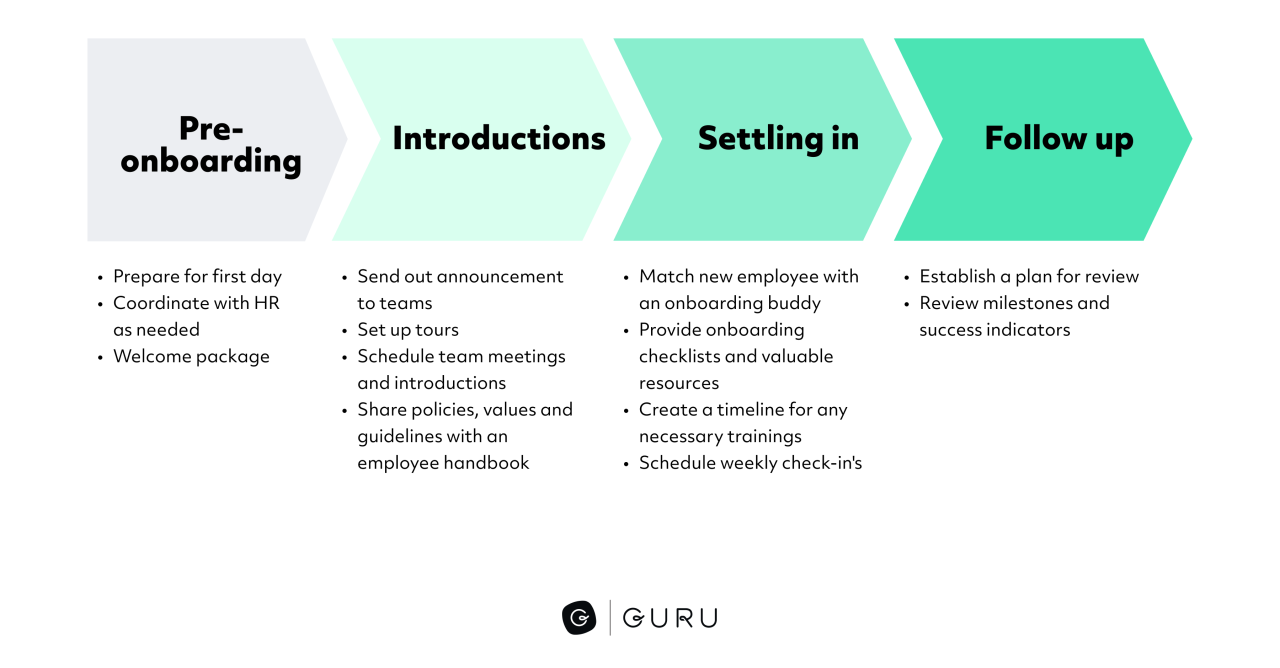 Upon completion of the onboarding process, you will officially become a client of our private wealth management firm. This marks the beginning of a long-term partnership focused on helping you achieve your financial goals and secure your financial future.
Ongoing Communication
- Regular Reviews: After the onboarding process, we will schedule regular reviews to assess the progress towards your financial goals, review your investment portfolio, and make any necessary adjustments.
- Client Portal Access: You will have access to a secure client portal where you can view your account information, performance reports, and important documents.
- Proactive Communication: Our team will proactively reach out to you with updates on market conditions, investment opportunities, and any changes in regulations that may impact your financial plan.
- Personalized Service: We believe in providing personalized service, so you can always reach out to us with any questions, concerns, or updates to your financial situation.
Final Wrap-Up
In conclusion, navigating the onboarding process in private wealth management is a pivotal step towards achieving financial success. By understanding the significance of each stage, clients can forge a strong partnership with their wealth managers, setting the foundation for a prosperous financial journey ahead.
Question Bank
What documents are typically required during the onboarding process?
Documents usually required include identification proof, financial statements, tax returns, and any relevant legal documents. These help in assessing a client's financial situation and goals.
How often should clients expect to have reviews after completing the onboarding process?
Reviews can vary but are commonly scheduled quarterly or annually to assess the performance of investments, realign goals if necessary, and ensure the client's financial plan is on track.