

Delving into the intricate world of managing wealth for ultra high net worth individuals, The Governance of Family Offices in Ultra High Net Worth Wealth Management is a crucial aspect that requires attention to detail and strategic planning. This guide aims to explore the key components of family office governance, shedding light on its significance in the realm of wealth management.
Exploring the different governance models, regulatory compliance, investment strategies, and the role of technology in family office governance, this guide serves as a valuable resource for understanding the complexities of this specialized field.
Overview of Family Offices in Ultra High Net Worth Wealth Management
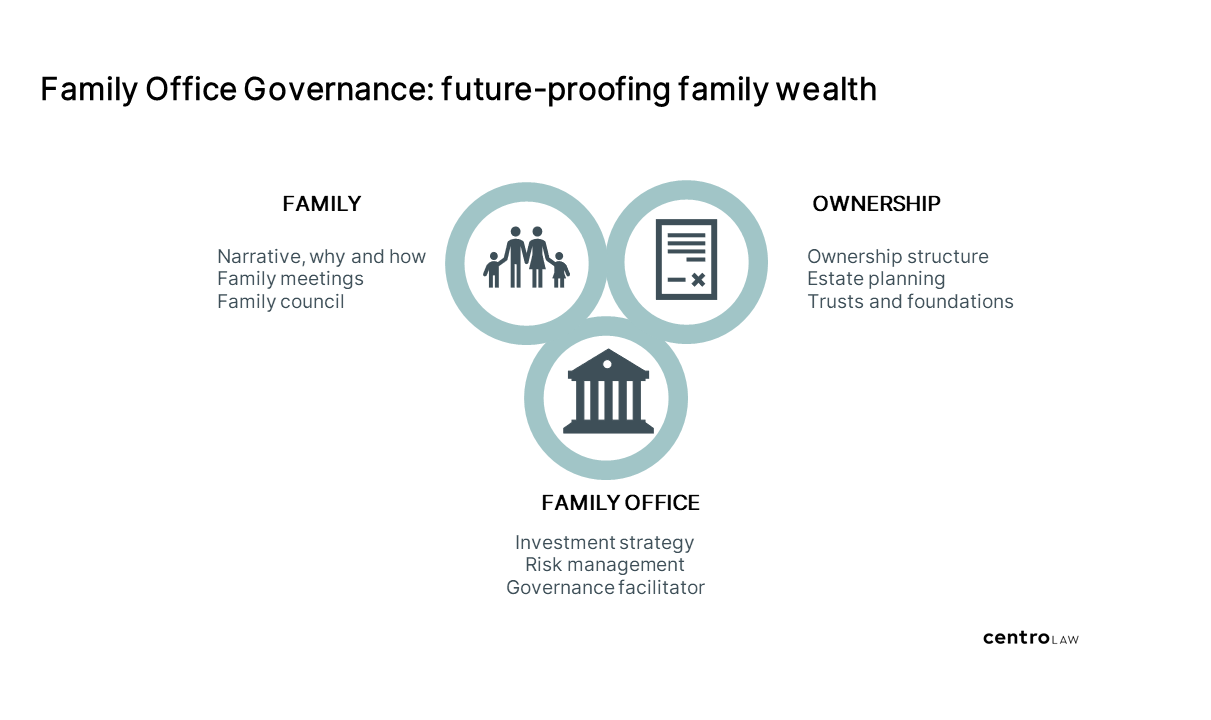 Family offices play a crucial role in wealth management for ultra high net worth individuals. These organizations are dedicated to managing the financial affairs of wealthy families, providing a wide range of services to preserve and grow their wealth over generations.
Concept of Family Offices in Wealth Management
Family offices are private wealth management advisory firms that cater exclusively to ultra high net worth individuals and families. They offer a comprehensive suite of services, including investment management, tax planning, estate planning, philanthropic activities, and more. The primary goal of a family office is to ensure the long-term financial security and prosperity of the family, taking into account their unique needs and goals.Characteristics of Ultra High Net Worth Individuals
Ultra high net worth individuals are defined as those with a net worth exceeding $30 million. These individuals typically have complex financial situations, with assets spread across various investments, businesses, real estate, and other holdings. They often require specialized and personalized financial advice to manage their wealth effectively and plan for the future.Importance of Family Offices in Managing Wealth
Family offices are essential for ultra high net worth individuals due to the complexity of their financial affairs and the need for customized solutions. By working with a family office, wealthy families can benefit from expert guidance, access to exclusive investment opportunities, and a holistic approach to wealth management. Family offices also help to streamline financial decision-making, reduce risks, and ensure the continuity of wealth across generations.Structure and Governance Models of Family Offices
Family offices come in different structures and governance models to effectively manage the wealth of ultra-high net worth individuals. Let's explore the common governance models used in family offices and compare single-family offices with multi-family offices to understand their roles in wealth management.Single-Family Offices vs. Multi-Family Offices
Single-family offices are dedicated to managing the financial affairs of a single ultra-high net worth family, providing personalized services and tailored wealth management strategies. On the other hand, multi-family offices serve multiple ultra-high net worth families, pooling their resources to achieve economies of scale and access to specialized investment opportunities. While single-family offices offer exclusivity and customization, multi-family offices provide cost efficiencies and shared resources.Role of Governance in Effective Wealth Management
Governance plays a crucial role in ensuring effective wealth management within family offices by establishing clear structures, policies, and decision-making processes. A well-defined governance framework helps in managing risks, ensuring compliance with regulations, and maintaining transparency in operations. It also facilitates communication among family members and key stakeholders, ensuring alignment with the family's values and objectives. Overall, strong governance is essential for the long-term sustainability and success of family offices in managing ultra-high net worth wealth.Regulatory Compliance and Legal Considerations
Family offices operating in the ultra high net worth wealth management space must adhere to a variety of key regulatory requirements to ensure they are in compliance with the law. Failure to do so can have serious implications on their operations and reputation within the industry.Key Regulatory Requirements
- Anti-Money Laundering (AML) Regulations: Family offices are required to establish and maintain robust AML programs to prevent money laundering and terrorist financing activities.
- Securities Laws: Compliance with securities laws is essential to ensure that family offices are operating within the boundaries of legal investment practices.
- Tax Regulations: Family offices must comply with tax laws at both the national and international levels to avoid legal issues related to tax evasion.
Legal Considerations in Wealth Management
- Confidentiality: Family offices must maintain strict confidentiality when handling sensitive financial information to protect the privacy of their clients.
- Fiduciary Duties: Family offices have fiduciary responsibilities to act in the best interests of their clients and avoid conflicts of interest.
- Compliance Oversight: Establishing a compliance oversight framework is crucial to ensure that all legal and regulatory requirements are being met.
Implications of Non-Compliance
Non-compliance with regulatory requirements can result in severe consequences for family offices, including fines, legal actions, reputational damage, and loss of client trust. It is essential for family offices to prioritize regulatory compliance and legal considerations in their operations to mitigate these risks and uphold industry standards.Investment Strategies and Risk Management
When it comes to managing the wealth of ultra high net worth individuals, family offices employ various investment strategies to maximize returns while minimizing risks. These strategies are crucial in ensuring the long-term preservation and growth of wealth.
Investment Strategies Employed by Family Offices
- Diversification: Family offices often diversify their investment portfolios across different asset classes to spread risk and capitalize on various market opportunities.
- Direct Investments: Family offices may opt for direct investments in private companies, real estate, or other alternative assets to gain more control and potentially higher returns.
- Long-term Focus: Many family offices have a long-term investment horizon, allowing them to withstand short-term market fluctuations and focus on sustainable growth.
Importance of Risk Management for Ultra High Net Worth Individuals
Risk management is paramount for ultra high net worth individuals as it helps protect their wealth from unforeseen events and market downturns. By implementing robust risk management strategies, family offices can safeguard wealth for future generations.
Examples of Successful Investment Strategies
- Endowment Model: Some family offices adopt an endowment model similar to that of universities, allocating a portion of their portfolios to alternative investments like hedge funds, private equity, and real assets.
- Impact Investing: Family offices increasingly focus on impact investing, aligning their investments with their values to generate positive social and environmental impact alongside financial returns.
- Global Diversification: Family offices often diversify globally to tap into emerging markets and capitalize on international opportunities, reducing exposure to any single market.
Technology and Innovation in Family Office Governance
Technology plays a crucial role in enhancing the efficiency and transparency of family offices. By leveraging innovative tools and solutions, family offices can streamline their operations and improve decision-making processes. However, integrating technology into family office governance also comes with its own set of challenges and risks.Role of Technology in Family Office Governance
Technology enables family offices to automate routine tasks, such as reporting, data management, and compliance monitoring, freeing up time for more strategic activities. Additionally, digital tools provide real-time insights and analytics, allowing family offices to make informed investment decisions.
Innovative Tools and Solutions for Family Office Governance
Family offices can leverage advanced software platforms for portfolio management, risk assessment, and performance tracking. Additionally, tools like artificial intelligence and machine learning algorithms can help identify trends and opportunities in the market, enhancing investment strategies.
Challenges and Risks of Integrating Technology into Family Office Operations
- Security Concerns: With increasing cyber threats, family offices need to ensure robust cybersecurity measures to protect sensitive data and client information.
- Integration Complexity: Implementing new technologies can be challenging and may require significant resources and expertise to ensure seamless integration with existing systems.
- Data Privacy Issues: Family offices must comply with data privacy regulations and safeguard client confidentiality when utilizing technology for data management and analysis.
- Dependency Risks: Relying too heavily on technology can pose risks in case of system failures or technical glitches, underscoring the importance of contingency plans.
End of Discussion
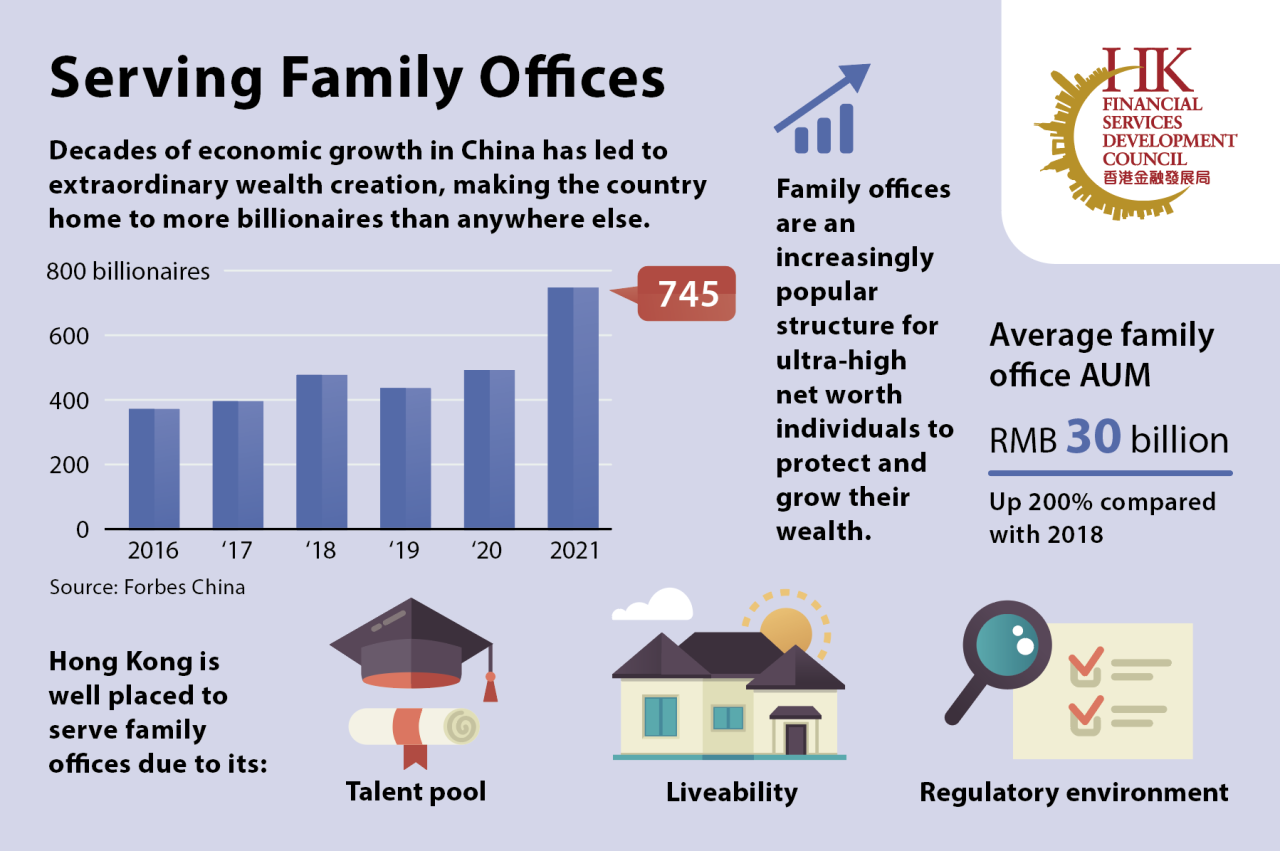
In conclusion, The Governance of Family Offices in Ultra High Net Worth Wealth Management plays a pivotal role in safeguarding and growing the assets of affluent individuals. By implementing robust governance structures, adhering to regulatory requirements, and leveraging innovative technologies, family offices can navigate the complexities of wealth management successfully.
FAQ Section
What are the key regulatory requirements for family offices?
Family offices must comply with regulations related to anti-money laundering, data protection, and financial reporting, among others.
What are the main differences between single-family offices and multi-family offices?
Single-family offices serve one wealthy family, while multi-family offices cater to the needs of multiple affluent families, often providing shared resources and cost efficiencies.
How does technology contribute to enhancing efficiency in family offices?
Technology streamlines processes, improves communication, and provides real-time data analytics, enabling family offices to make informed decisions swiftly.