

When it comes to Private Wealth Management Near Me: Comparing Fee-Only vs. Commission-Based Models, a world of financial possibilities opens up. This article dives deep into the differences between fee-only and commission-based models, shedding light on key considerations for individuals seeking wealth management services.
Exploring the intricacies of each model, this piece aims to guide readers towards making informed decisions regarding their financial future.
Understanding Private Wealth Management
Private wealth management is a specialized financial service that caters to high-net-worth individuals, families, or businesses. It involves comprehensive financial planning, investment management, and other tailored services to help clients grow and protect their wealth over time.Services Offered in Private Wealth Management
- Financial Planning: Creating personalized strategies to achieve financial goals.
- Investment Management: Building and managing investment portfolios based on risk tolerance and objectives.
- Estate Planning: Structuring assets to minimize taxes and ensure a smooth transfer of wealth.
- Retirement Planning: Developing strategies to secure a comfortable retirement.
- Tax Planning: Optimizing tax strategies to reduce liabilities and maximize savings.
Primary Goals of Private Wealth Management
- Grow Wealth: Increase assets through strategic investments and financial planning.
- Preserve Wealth: Protect assets from market volatility and other risks.
- Plan for the Future: Create a roadmap for achieving financial goals and securing a comfortable retirement.
- Minimize Taxes: Implement tax-efficient strategies to reduce tax liabilities.
Fee-Only vs. Commission-Based Models
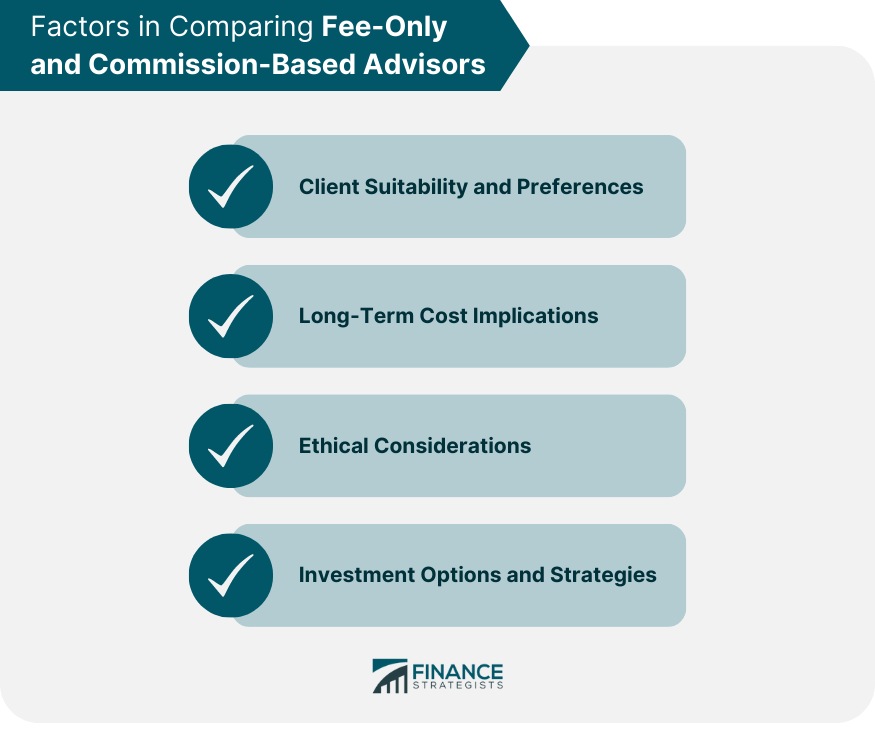
When it comes to private wealth management, clients often have to choose between fee-only and commission-based models. Each model has its own set of advantages and disadvantages that clients should consider before making a decision.
Fee-Only Models
Fee-only models involve clients paying a set fee for the services provided by the wealth manager. This fee is typically based on a percentage of the assets under management. Here are some pros and cons of fee-only models:
- Pros:
- Transparency: Clients know exactly how much they are paying for the services they receive.
- Objectivity: Since the wealth manager is not earning commissions, they are less likely to push unnecessary financial products onto clients.
- Alignment of Interests: Fee-only models align the interests of the wealth manager with those of the client, as they both benefit from the growth of the client's assets.
- Cons:
- Cost: Fees for fee-only models can be higher compared to commission-based models, especially for clients with larger portfolios.
- Limited Services: Some fee-only wealth managers may have restrictions on the types of services they offer due to the fee structure.
Commission-Based Models
Commission-based models involve wealth managers earning commissions from financial products they sell to clients. Here are some pros and cons of commission-based models:
- Pros:
- No Upfront Fees: Clients may not have to pay any upfront fees, as the wealth manager earns commissions from product sales.
- Accessibility: Commission-based models may be more accessible to clients with smaller portfolios who cannot afford the fees associated with fee-only models.
- Incentives: Wealth managers have the incentive to sell products that generate higher commissions, which may benefit clients if the products align with their financial goals.
- Cons:
- Potential Conflicts of Interest: Wealth managers may be incentivized to sell products that benefit them more than the client, leading to potential conflicts of interest.
- Lack of Transparency: Clients may not always be aware of the commissions earned by their wealth manager, leading to a lack of transparency in the relationship.
Choosing the Right Model

Scenarios for Fee-Only Model
- Clients who prefer transparency in fees and want to avoid potential conflicts of interest may find the fee-only model more suitable.
- Investors who are looking for holistic financial planning services and ongoing advice may benefit from the fee-only model, as it typically offers comprehensive services.
- Individuals with a long-term investment horizon who value a fiduciary relationship with their advisor may prefer the fee-only model.
Scenarios for Commission-Based Model
- Investors who prefer to pay for services only when transactions occur may find the commission-based model more cost-effective.
- Those who are primarily focused on executing specific trades or transactions rather than ongoing financial planning may opt for the commission-based model.
- Clients who are comfortable with potential conflicts of interest related to product recommendations based on commissions may choose the commission-based model.
Client Needs and Preferences
- Client needs and preferences play a significant role in determining the right wealth management model. It is essential for clients to understand their financial goals, risk tolerance, and desired level of involvement in the decision-making process.
- By aligning the wealth management model with their specific needs and preferences, clients can ensure a more personalized and satisfactory advisory relationship.
Finding Private Wealth Management Services Near Me
Finding the right private wealth management services in your local area can be a crucial decision for your financial future. Here are some steps to help you find reputable wealth management services near you.Conduct Due Diligence
When searching for private wealth management services, it is important to conduct due diligence before selecting a wealth manager. This includes researching the firm's reputation, qualifications of advisors, services offered, and client reviews.- Check the firm's credentials and certifications to ensure they meet industry standards.
- Look for client testimonials or reviews to gauge the firm's reputation and client satisfaction.
- Verify the firm's experience in managing wealth and handling financial goals similar to yours.
Key Factors to Consider
There are several key factors to consider when evaluating private wealth management firms near you. These factors can help you make an informed decision about which firm is the best fit for your financial needs.- Fee Structure: Understand whether the firm operates on a fee-only or commission-based model and how it may impact your overall costs.
- Services Offered: Evaluate the range of services offered by the firm and whether they align with your financial goals and needs.
- Investment Approach: Consider the firm's investment philosophy and approach to managing client portfolios.
- Communication and Accessibility: Assess how the firm communicates with clients and how accessible advisors are for questions or concerns.
- Track Record: Review the firm's track record and performance in managing client wealth over time.
End of Discussion
In conclusion, navigating the realm of private wealth management involves weighing the advantages and disadvantages of fee-only and commission-based models. By understanding the nuances of each approach, individuals can align their financial goals with the most suitable wealth management model.
Questions and Answers
What is private wealth management?
Private wealth management involves personalized financial services tailored to high-net-worth individuals to grow and protect their wealth.
What are the key differences between fee-only and commission-based models?
Fee-only models charge fees directly to clients, while commission-based models earn compensation through product sales or transactions.
How do client needs influence the choice between fee-only and commission-based models?
Client needs such as financial goals, risk tolerance, and investment preferences play a crucial role in determining the most suitable wealth management model.